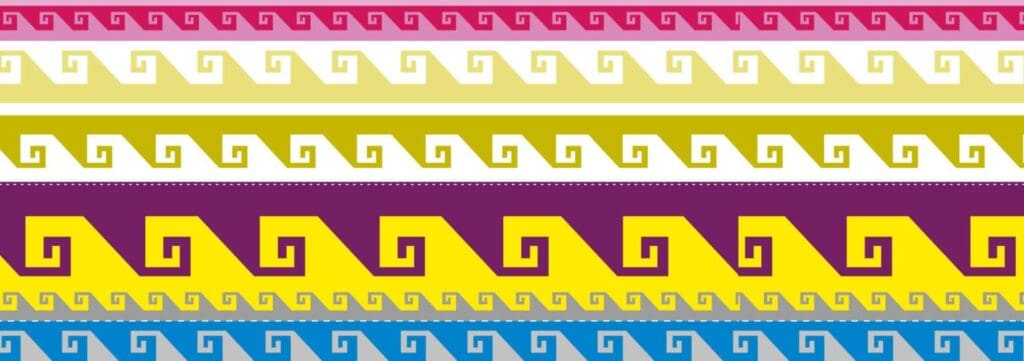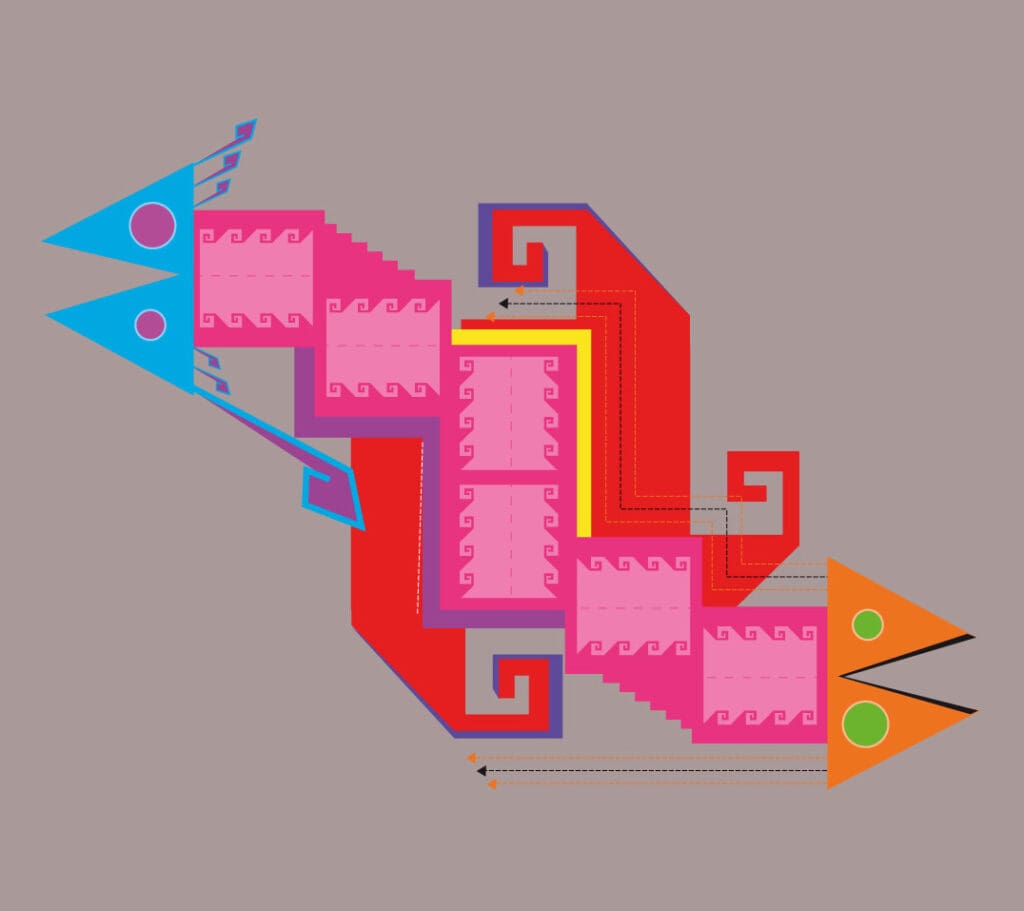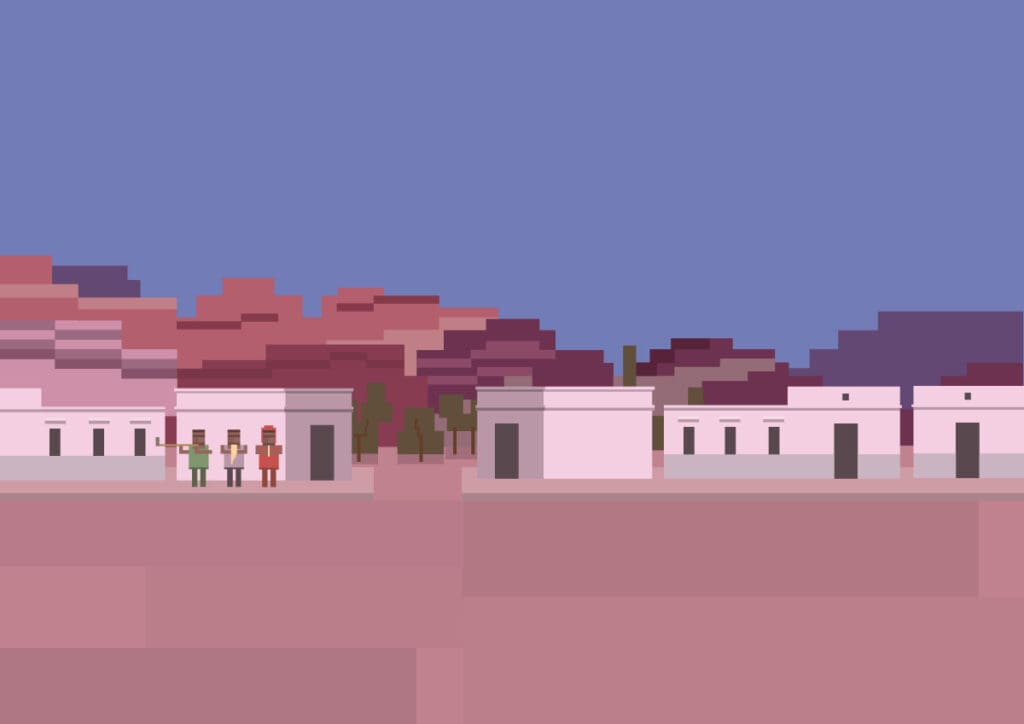

The fascinating world of digital textile design art is a shining example of human inventiveness and the creative spirit in the field of artistic expression. A rich history of civilizations, traditions, and techniques are woven into its intricate tapestry, where fibres are converted into breath-taking works of art that beautify our life. But beyond its natural beauty, textile design art resonates with a strong affinity for graphic design ideas, forging an unbreakable connection between these two enthralling spheres of creativity.
Similar to how an expert graphic designer painstakingly creates visual narratives, textile designers also use their needles and looms to use threads and patterns to communicate stories. Like the components of graphic design, the hues, textures, and motifs they select are not only ornaments. Rather, they express concepts, feelings, and cultural nuances. Textile designers draw from a wide range of techniques and influences to create fabrics that convey their artistic vision, much like graphic artists purposefully choose fonts, shapes, and colours to elicit particular reactions.
When we speak of textile art, we generally associate it with a craft activity, in other words, as a profession opposed to the fine arts. But above all, it’s as a link with tradition. The design and color of the fabrics, tapestries, laces, or embroideries allow us to understand the identity of different people. Their threads tell stories and millenary customs. In a hyper-connected world in which digital technologies are increasingly replacing manual work and even intervening in interpersonal relations and the configuration of subjects, traditions have been devalued, especially considering that they depend primarily on orality.
Since the mid-20th century, the artistic avant-garde has altered the world of art forever, broadening the very definition of art whose boundaries with other disciplines have become ambiguous. The union between life and art brought with it the incorporation of activities and elements considered non-artistic, among them textiles. Many works resorted to textile techniques combined with unconventional materials. The Bauhaus School has been of great importance in the genesis of textile art. Crafts began to be considered as works with conceptual content that were gradually emancipated from the craft genre.
Between the decades of the 60s and the 70s, textile art expression was consolidated by artists such as Magdalena Abakanowicz, Sheila Jicks, Claire Zeisler, and Lenore Tawney. They integrated textile works with other genres such as sculpture, performance, or installation, opening the way to contemporary art. In recent years, different events and projects have given visibility to textile art. The association Fiber Art Fever, created by the artist Paty Vilo, was a great promoter of the most innovative textile creations. For its part, Contextile, a Biennial of Contemporary Textile Art in Portugal, has established itself as one of the main events for the distribution of this practice through exhibition competitions, conferences, workshops, and residencies for artists.
In 2019, Fiber Art was inaugurated in Paris, the first gallery dedicated exclusively to textile art that has gained ground in the field of contemporary art. That same year, the first museum of contemporary textile art in Spain also opened its doors. Without a doubt, textile art is present around the world in numerous exhibitions in art fairs, museums, and galleries.
On the other hand, digital art has had exciting and reflexive crossings concerning the textile discipline. The juxtaposition of very different techniques has refreshed the artistic scene and brought the place of textile art to the table today. The process of digitalization brings with it many advantages, today more than ever, but nevertheless, memory is a concept that has entered into crisis in recent times. Instead of confronting traditional narratives with contemporary ones, the artisanal vs. the digital, digital textile artists build a bridge between the two and use technology in their favor to disseminate and promote a traditional practice. It is also a way of rescuing the artisanal and indigenous and transmitting knowledge to new generations, a custom that has been lost over time after the current maelstrom.
Digital textile art is a hybrid product that creates new aesthetic paradigms by merging different techniques, disciplines, and materials. The designer/artist produces an artistic object and establishes a dialogue in a society based on innovation and the re-signification of elements of the collective imagination over traditions. The most important aspect of this trend is the revaluation of different cultures, as it reminds us of the importance of preserving identity and memory. In a world where differences and stigmatization reign, respecting and embracing diversity from unity is a step forward that humanity should take.
These are the digital textile artists who stood out for their innovation and the enhancement of textiles as a means of communication.
Zouassi
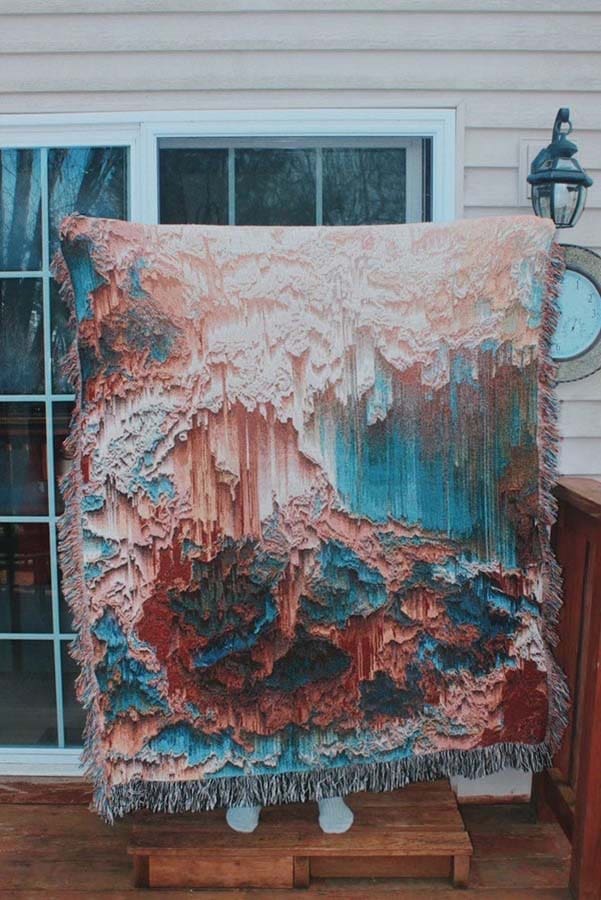
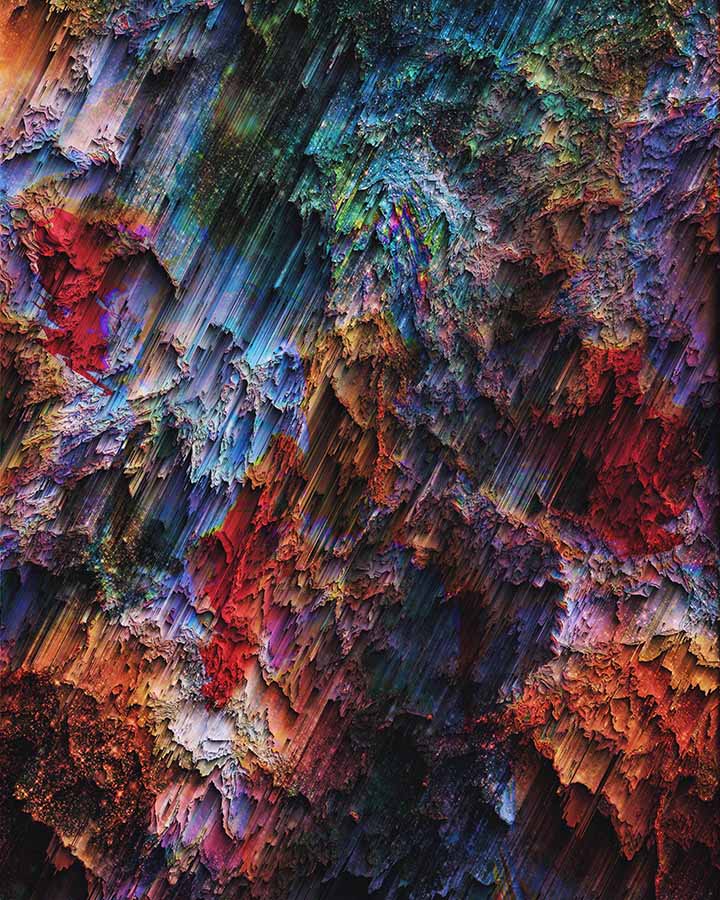
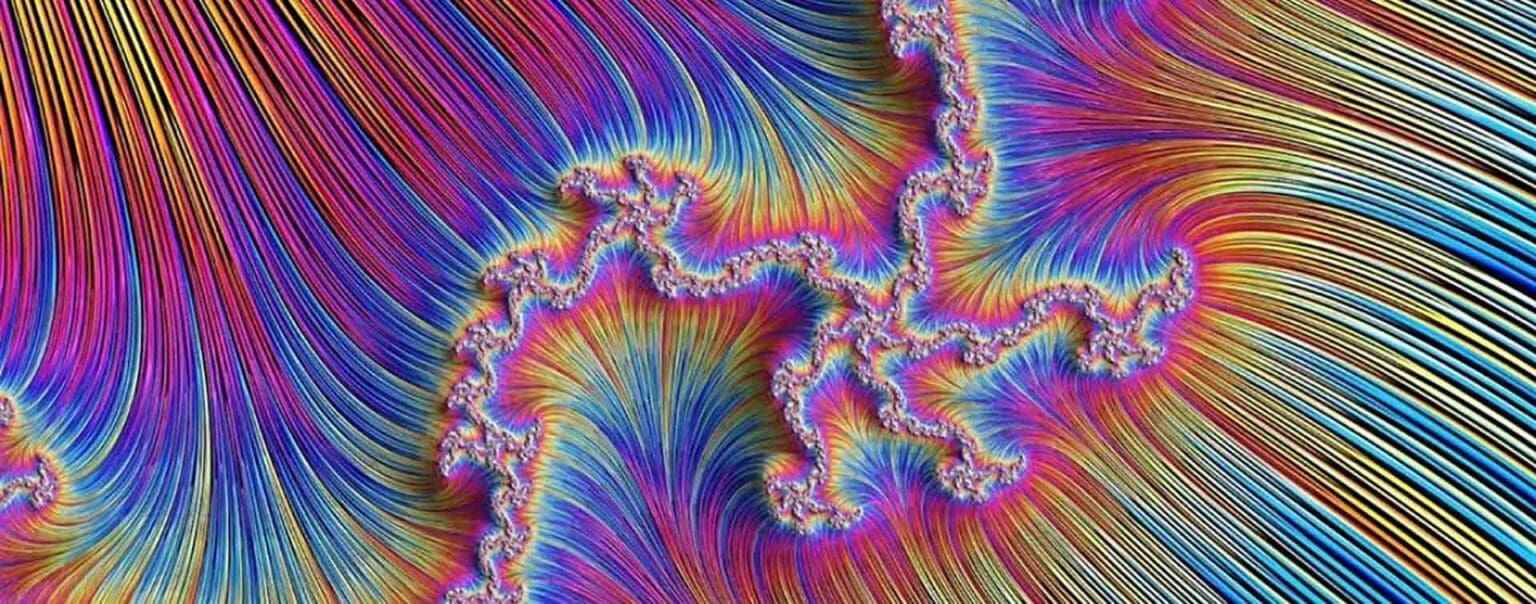
The artist creates unique pieces resulting from experimentation with digital art and mixed media. The visual universe of his works is based on open-source software and the language of digital media. Despite producing digital works, he has achieved recognition for his textile pieces, such as cushions and his popular rugs. They are made with woven and embroidered threads. Zouassi creates three-dimensional objects with fringes whose visual aspect explores abstraction, glitch aesthetics, and the typical patterns and colors of textiles. This is the artist’s way of capturing the tangible character of the digital universe.
Susan Hensel
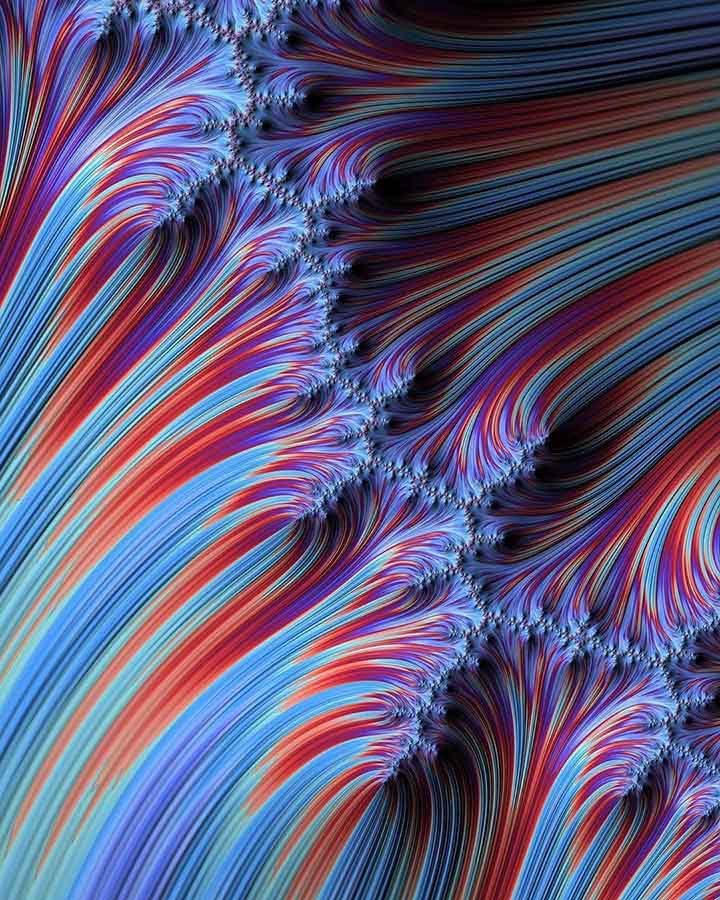
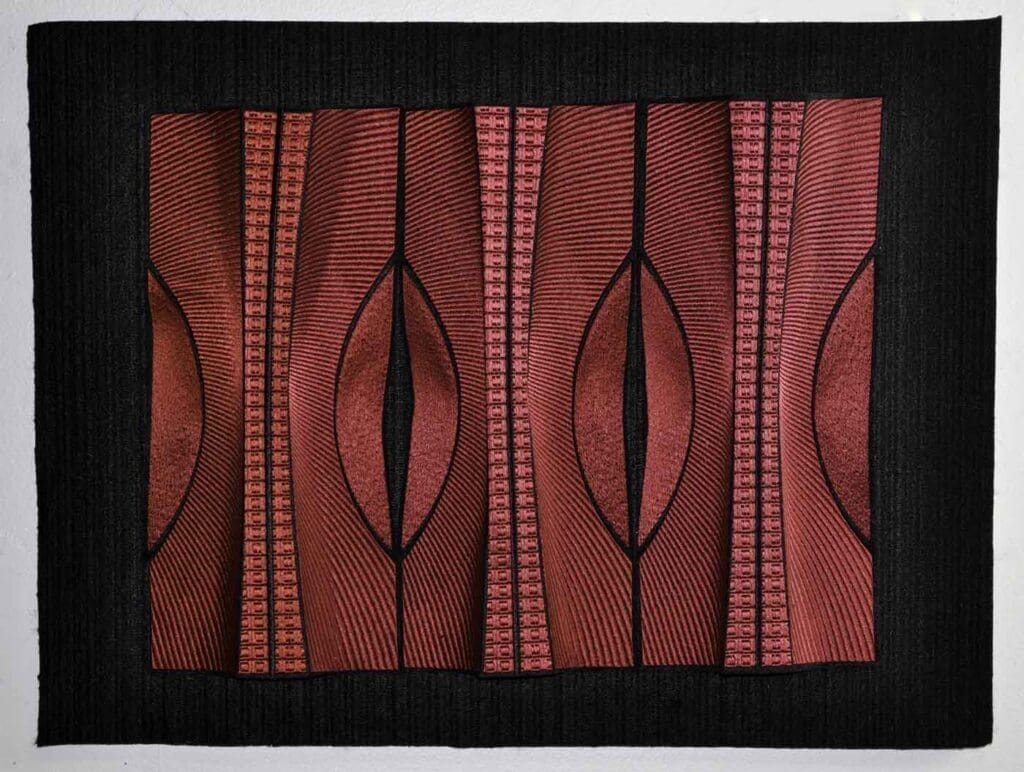
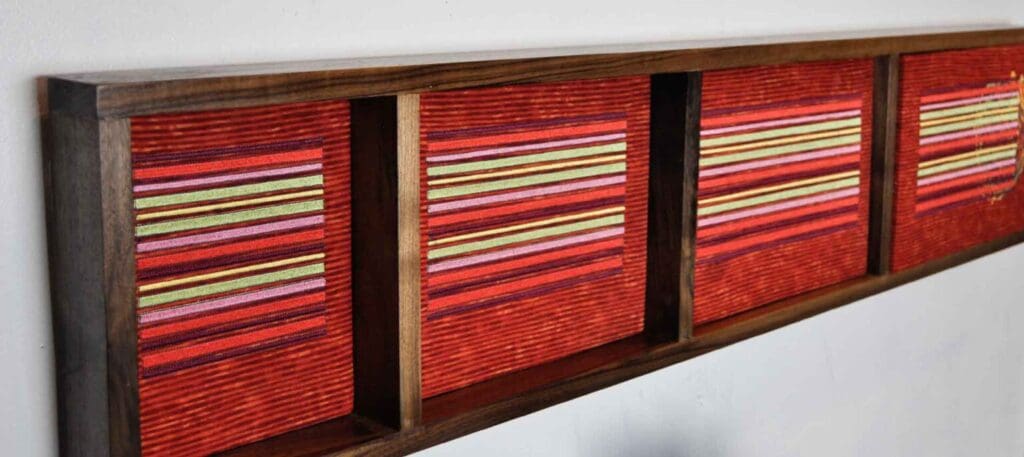
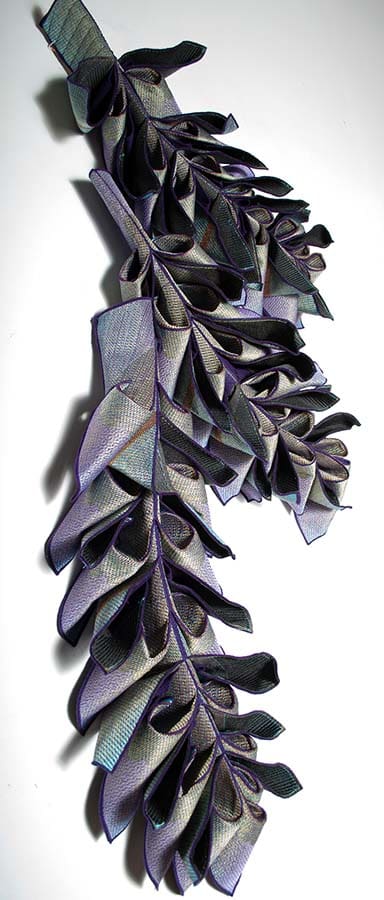
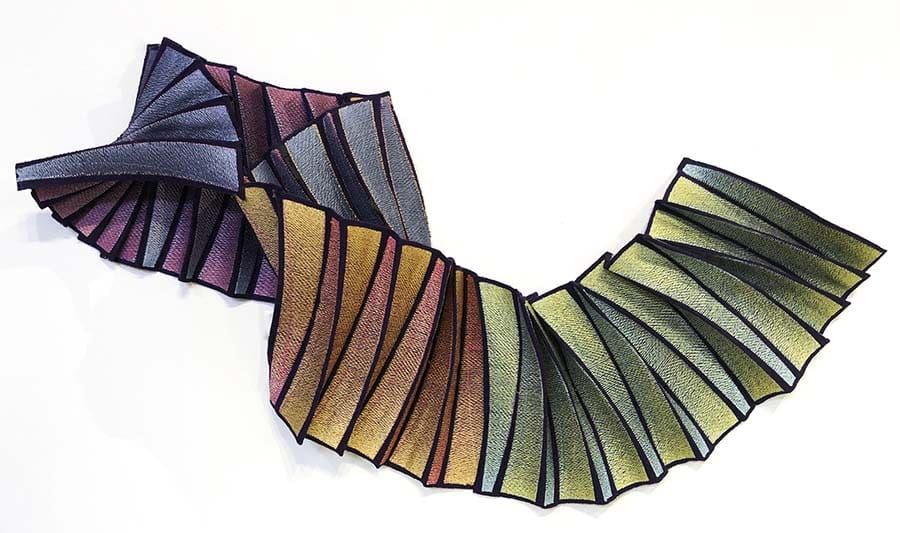
Susan Hensel is a multidisciplinary artist. In her last 50 years of artistic career, she has developed her practice of combining mixed media, mainly embroidery with digital and manual tools. From the digital embroidery technique, she obtains unique geometric patterns, whose process is often linked to the random factor. As a result, the artist creates abstract three-dimensional figures, halfway between sculpture and painting, which worship the organic forms of Nature. They stand out for the expressiveness of the colors, the rhythm, the fluidity, and the different types of texture that generate a sensory experience.
Some of her works re-signify the role of women in the textile field. Women have been in charge of textiles since ancient times. The discipline is associated with the domestic environment, and stereotype sees the activity as a domain of women, especially elders. Hensel intends to erase those clichés and play with the constructions around femininity.
Mana Morimoto
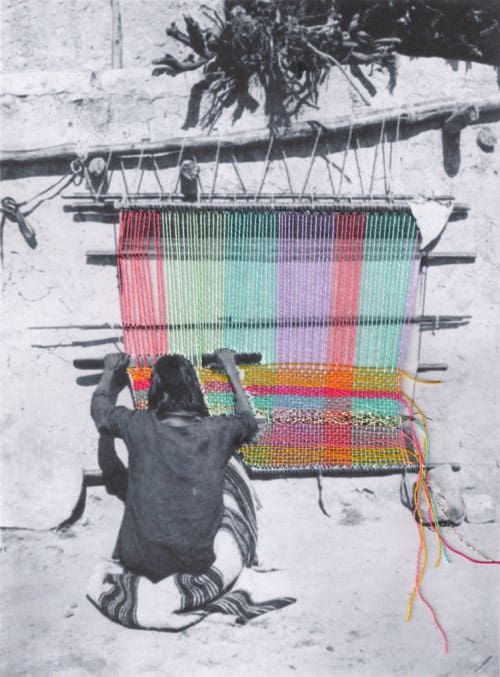
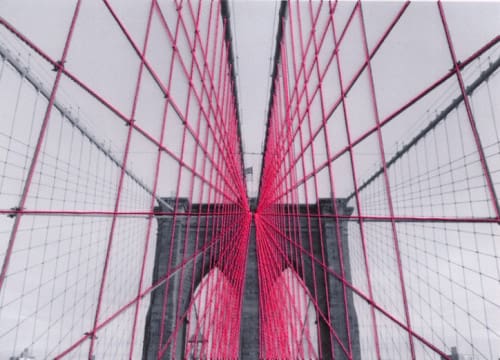
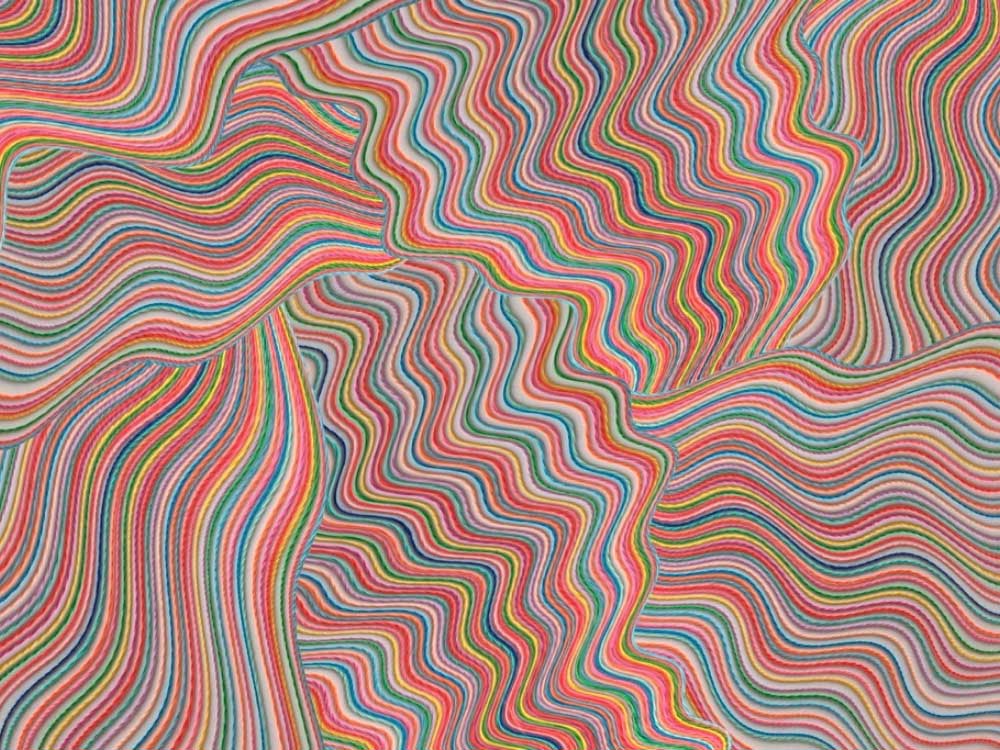
The young Japanese artist uses old black and white photographs, which she then carefully embroiders with colorful threads. In this way, she creates visually impressive compositions in which two completely different techniques coexist. She defines herself as a textile and digital artist. During her process, she uses digital and analogical tools to compose the images. Her work is a way of re-interpreting traditional embroidery. Morimoto shows her obsession with geometric shapes and bright colors that give a modern look to her creations.

Federico Abuyé
The artist’s digital illustrations are inspired by the iconography and aesthetics of traditional Andean culture, a pre-Columbian civilization that emerged in South America. The recurrent motifs in his works are traditional dances, mythological figures, zoomorphic deities, and geometric forms. The palette of colors used by the artist evokes the natural landscapes of the altiplano. In his book “Telares Digitales,” some of these works can be found while he reflects on the approach to the ancestral fabric through digital language. His productions are a great way to remember and value ancient cultures and update them from his own experience.