
In the ever-evolving world of design, staying ahead of the latest trends is crucial for professionals seeking to innovate and captivate audiences. In this article, six of our designers share their favorite design trends shaping the tech industry today. From bold typography to AI design, each of them offers unique perspectives on the trends that are making waves in the creative landscape. Join us as we explore their insights and gain valuable glimpses into the future of design.

Maria Burgelova on Visual Storytelling
Maria is CEO and Creative Director at More By Us
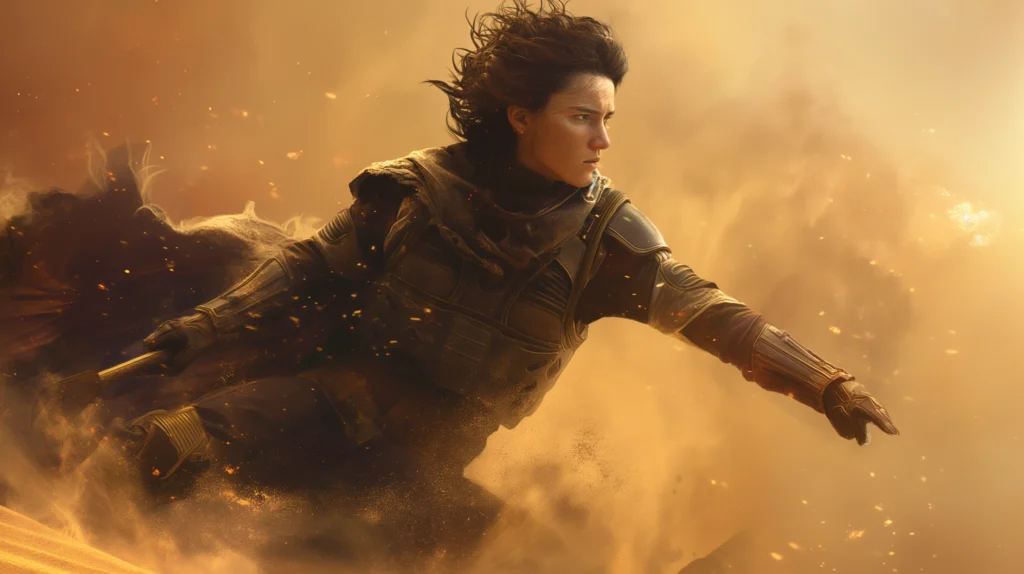
“Visual storytelling is like magic in the design world, breathing life into stories with the clever use of symbols and visual cues. Imagine it as the art of weaving tales that not only catch the eye but also tug at the heartstrings, all without uttering a single word. This trend takes advantage of our brain’s love for visuals, making messages stick with us longer and more deeply than just text ever could. It’s like having a universal language that crosses borders and connects us all, making everything from branding to your favorite ads feel more like a shared story than a sales pitch. By packing complex emotions and ideas into simple, powerful images, designers are creating experiences that are not just seen but felt, building deeper connections and memories.”
Maria highlights the transformative power of visual storytelling in design, underscoring its ability to convey complex tales and emotions through imagery alone. This method taps into our visual preference, ensuring that messages are not only seen but deeply felt, fostering a universal connection beyond words.

Bozhidar Hadzhiev on Bold Typography
Bozhidar is Graphic Designer at More By Us

“I appreciate how bold typography communicates messages powerfully while maintaining a clean and minimalist design, depending on its application. This versatility aligns with modern design aesthetics, especially when paired with unique font choices, creating visually stunning outcomes. Additionally, bold typography not only enhances visuals but also boosts performance. Websites relying on typography and vectors load faster and operate more efficiently. Its streamlined design contributes to a seamless user experience, making it both visually appealing and technically efficient.”
Bozhidar highlights the power of bold typography. He emphasizes its versatility, which aligns perfectly with modern design aesthetics. According to him, bold typography not only enhances visuals but also boosts performance by contributing to a seamless user experience.

Maria Yordanova – Mimy on Mysticism
Mimy is Senior Lead Designer at More By Us
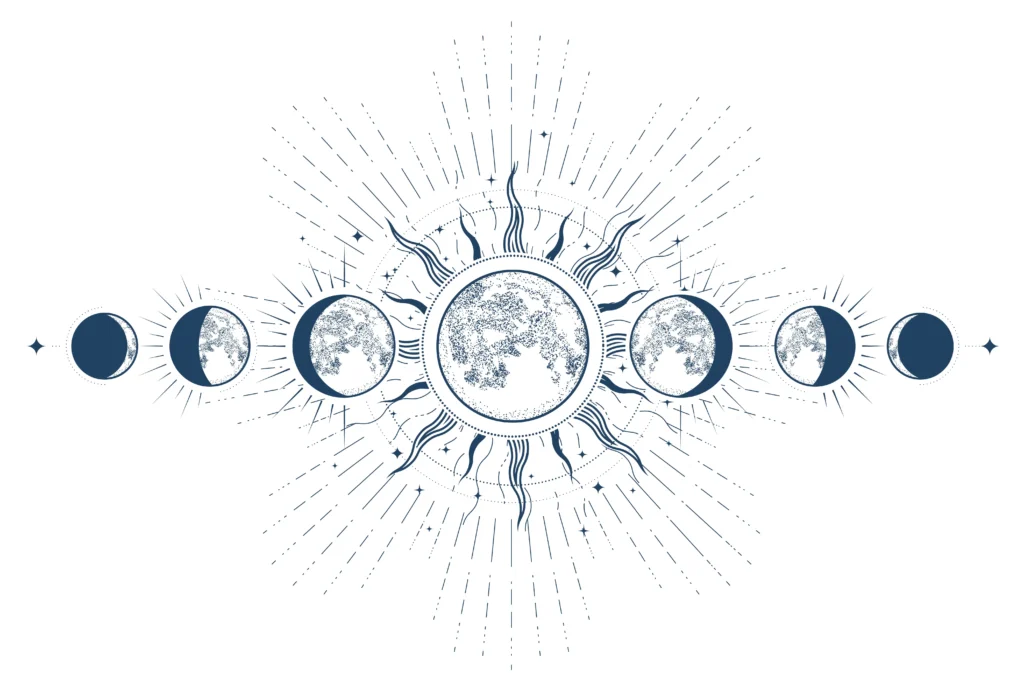
“When it comes to trends, everyone is aware of the latest, coolest, and mind-blowing ones. However, implementing some old styles and techniques seems more productive through the wave of hot trends fleeing the web. Mysticism is one of them that I think we’ll continue to use for a long time. This trend involves iconography that relates to astrology and divination. It relies heavily on popular symbolism, including zodiac signs, all-seeing eyes, lotus flowers, and sacred geometry. These symbols act as talismans, infusing the natural and celestial world with occult and deeper meanings. The designs are constructed with thin lines and organic curves that feel light and delicate. Colors become calming when subdued through muted tones. The imagery of moons, stars, and meditative faces evoke uplifting peace, an escape from earthly concerns that offers hope and solace.”
Mimy brings attention to the mysticism trend. She notes the trend’s reliance on thin lines and organic curves, creating calming and uplifting visuals.

Beloslava Ivanova – Bella on AI Design
Bella is Graphic Designer at More By Us

“AI is becoming an increasingly influential force in graphic design, with AI tools and techniques helping to streamline the design process and inspire new creative possibilities. From automating repetitive tasks to generating personalized design experiences, AI has the potential to revolutionize the way designers work. As AI technology continues to advance, designers should be prepared to embrace these tools and harness their potential for innovation. By embracing data-driven insights and combining them with their creative vision, designers can harness the full potential of AI design tools to shape the future of visual communication and user experiences. As we move forward, the harmonious collaboration between human ingenuity and artificial intelligence will continue to redefine the boundaries of design innovation.”
Bella talks about the world of AI design, highlighting its increasing influence in graphic design. She discusses how AI tools inspire new creative possibilities. Bella predicts that as AI technology continues to advance, designers can expect more sophisticated tools that amplify their capabilities and enhance the overall design process.
Valeria Petrova – Val on Augmented Reality & Voice User Interface
Val is Senior Lead Designer at More By Us

“Both Augmented Reality (AR) and Voice User Interface (VUI) play significant roles in enhancing access to and comprehension of tech information. AR enables a more immersive and interactive learning experience by overlaying digital information onto the physical world. In tech, this means users can visualize complex concepts, products, or processes in a more intuitive and engaging manner. On the other hand, VUI simplifies access to tech information by providing a natural and conversational interface. Users can ask questions, receive explanations, or access technical documentation using voice commands, making it easier to get immediate answers to queries about tech-related topics. AR and VUI together make learning and accessing tech information more accessible and engaging, simplifying complex concepts into user-friendly experiences.”
Val explores the role of Augmented Reality (AR) and Voice User Interface (VUI) in enhancing access to and comprehension of tech information.

Boris Savev on Microinterractions
Boris is Graphic Designer at More By Us
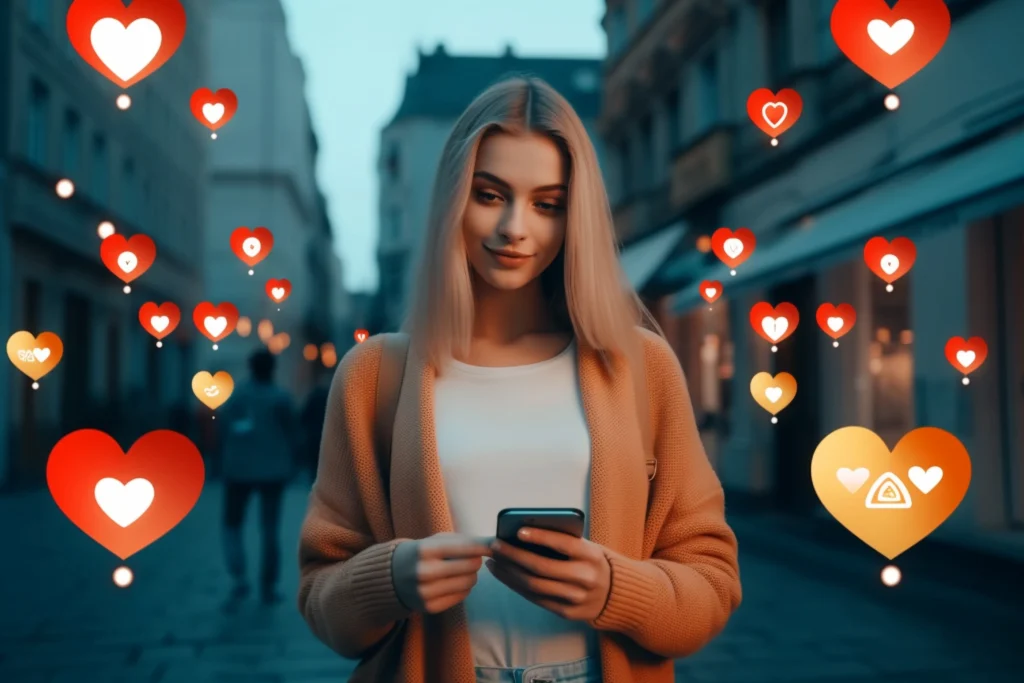
“Micro-interactions are small interactions that occur between a user and a website or application. They are typically designed to provide feedback, guide the user, or enhance the user experience in some way. Micro-interactions are often triggered by a specific user action, such as clicking a button, hovering over an element, or scrolling. They are usually brief, lasting only a few seconds, and are designed to be unobtrusive, so they don’t distract from the overall user experience. By providing instant feedback, micro-interactions can help to build trust, increase engagement, and create a sense of delight.”
Boris sheds light on microinteractions, small interactions between a user and a website or application that enhance the user experience. He explains how they provide feedback and guidance to users, creating emotional connections and increasing engagement.
As we conclude our walk through the minds of our talented designers, it becomes evident that the world of design is in a perpetual state of transformation. By embracing these trends (and every trend that the future holds) and remaining adaptable to change, designers can continue to push the boundaries of creativity and deliver captivating experiences to audiences worldwide.